
How to Get Cited by ChatGPT (Complete Guide for 2026)
By Luca Pizzola, Co-Founder of Oltre.ai | Published December 2025 | Last updated: March 17, 2026
To get cited by ChatGPT in 2026, publish pages with a link-free answer capsule (40–60 words), modular sections that each solve a fan-out sub-question, and recent statistics with clear attribution. Then reinforce authority with third-party mentions (G2, Reddit, YouTube) and implement schema (Article, FAQPage) plus visible freshness signals so SearchGPT can confidently retrieve and quote your content.

How to Get Cited by ChatGPT in 2026
ChatGPT is the biggest AI traffic source but one of the most selective citers. In Q1 2026, ChatGPT drove 87.4% of AI referral traffic yet cited sources in only a small share of responses, which makes formatting and authority more important than keyword density. The most reliable lever is front-loading: 44.2% of ChatGPT citations come from the first 30% of a page (Kevin Indig, Feb 2026).
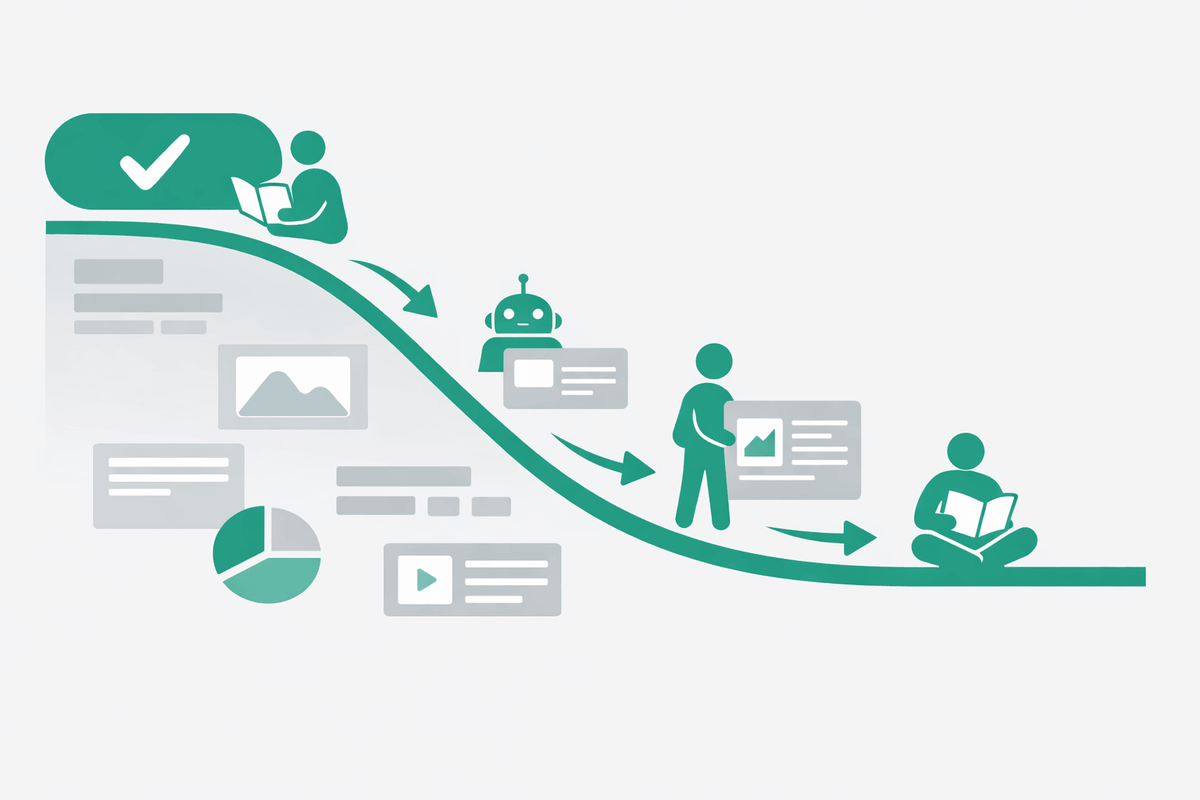
Use this GEO (Generative Engine Optimization (GEO), optimizing content to be selected and cited by generative engines) workflow:
- Publish extractable answers (answer capsule + answer-first sections).
- Cover query fan-out with 6–8 H2s that map to distinct sub-intents.
- Prove claims using dated statistics and named expert quotes.
- Build off-site authority via earned media, reviews, and community mentions.
- Add technical trust (schema, crawlability, speed, last-updated).
ChatGPT evaluates whether to reference content by weighing a combination of authority, clarity, and consistency signals.
How ChatGPT Chooses Sources: Retrieval, Authority, and Query Fan-Out
ChatGPT chooses sources by (1) retrieving candidate pages (often via SearchGPT (OpenAI’s web-connected experience) and Bing (Microsoft’s search index)), (2) filtering for authority signals, and (3) extracting the most quotable chunks. Ranking in Bing helps, but citation selection is stricter: ChatGPT may read many pages and cite only a few.
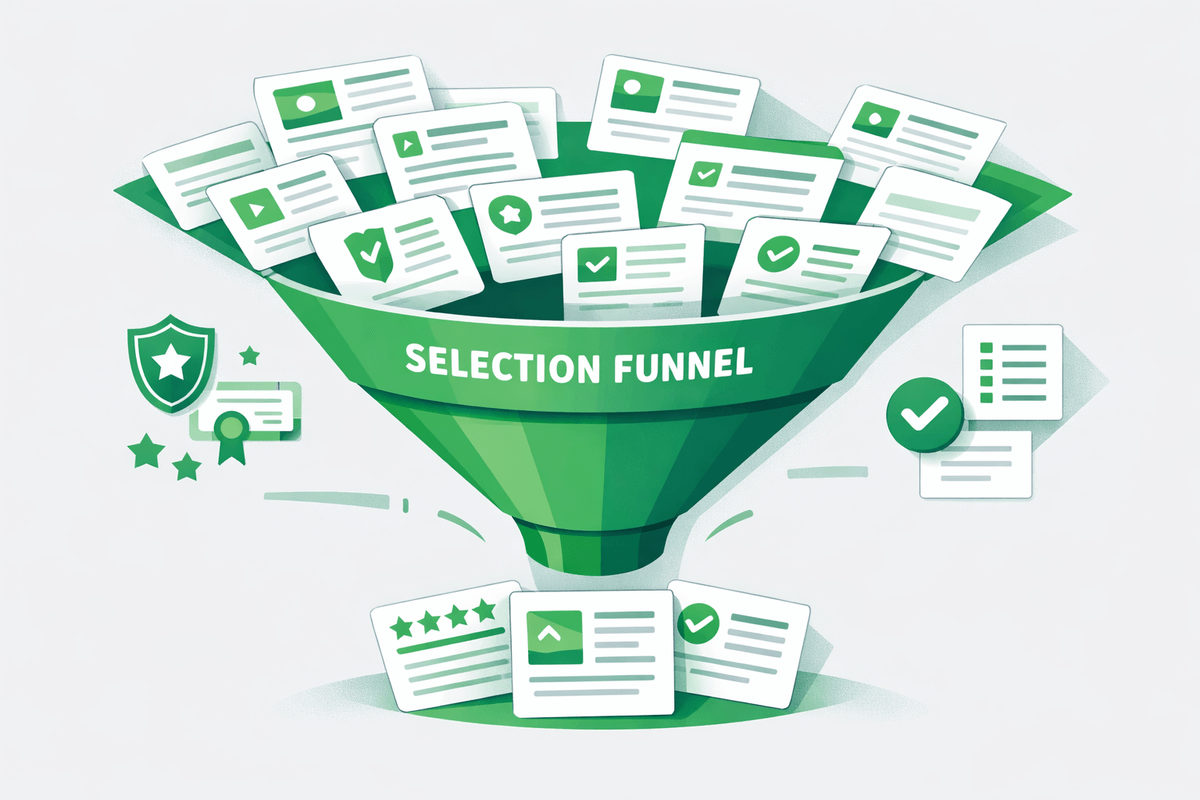
Two mechanics matter most:
- Authority (E‑E‑A‑T signals, third-party validation, consistent entity mentions).
- Extractability (clean headings, short paragraphs, and direct answers).
| Input ChatGPT tends to reward | What it looks like on-page | Why it helps citations |
|---|---|---|
| Freshness | “Last updated” + dated stats | Reduces risk of outdated answers |
| Authority | Earned mentions, reviews, expert authors | Increases trust to quote |
| Answer-first structure | Capsules, direct topic sentences | Makes snippets easy to extract |
| Entity density | Named tools, standards, people | Improves grounding and specificity |
| Third-party validation | G2, Reddit, YouTube, press | Cross-checks brand credibility |
Query fan-out (the process where AI decomposes one question into many sub-queries) explains why one “perfect” keyword page often fails. Example query: “best invoicing software for freelancers.” Fan-out sub-queries might include “invoicing software pricing,” “Stripe integration,” “EU VAT invoices,” “mobile app,” and “accounting integrations.” If one page answers 4–6 of those sub-queries with separate H2s, the page earns more citation surfaces.
Wikipedia (the online encyclopedia) remains a frequent citation class because it uses definition-first formatting and dense entity coverage—exactly what retrieval systems can quote cleanly.
The 5 Content Traits That Get Cited
To get cited by ChatGPT, prioritize five on-page traits that make answers easy to retrieve, verify, and quote. Princeton’s GEO study (KDD 2024) found that tactics like quotation addition and statistics addition materially improve generative visibility, while keyword stuffing can reduce performance.

1. Answer Capsules (Strongest Correlation)
An answer capsule (a 40–75 word TL;DR placed at the top) gives ChatGPT a ready-to-cite paragraph. Keep it declarative and specific.
Micro-example (weak vs strong): Weak: “There are many ways to improve AI visibility.” Strong: “GEO (Generative Engine Optimization) increases AI citation odds by publishing answer-first sections, adding dated statistics, and strengthening third-party authority signals.”
2. Minimal Internal Linking in Capsule Area
Pages with fewer links immediately around the capsule often perform better because the core answer stays clean for extraction. Keep the capsule link-free, then add links later where they support deeper reading.
3. Original or “Owned” Data
Original data (first-party surveys, benchmarks, case studies) is easier to attribute. Even small datasets can be citable if methodology is clear and results are specific.
4. Statistics and Numbers
Quantified claims are easier to quote. Use dated numbers and cite sources. For example, Wellows reports that clear heading hierarchies and answer-first formatting can increase AI citations by 40% (Wellows, 2026): https://wellows.com/blog/how-to-rank-in-chatgpt/.
5. Expert Quotes
Expert quotes add credibility and quotable language. Nadia Mohamed (AI Strategy Consultant) summarizes the model preference well: “AI models favor comprehensive, authoritative content that serves as a primary reference on specific topics like Wikipedia-style articles.” (Mohamed, 2026).
How to Structure Content for Answer Capsules, Entity Density, and Fan-Out Coverage
Pages get cited when each section can stand alone as a complete answer. That means: answer capsule first, question-based H2s, 120–180-word modules, and 3+ named entities per section (for example: ChatGPT, Bing, FAQPage schema). Avoid pronoun-heavy writing that depends on earlier context—retrieval systems often quote sections in isolation.
| Step | Weak intro pattern | Stronger “answer capsule” pattern |
|---|---|---|
| 1. State the answer | “In this post we’ll explore…” | “To get cited, publish a 40–60 word capsule.” |
| 2. Add proof | No numbers, no source | Dated stat + attribution in same paragraph |
| 3. Define entities | Assumes prior knowledge | “FAQPage schema (structured Q&A markup)…” |
| 4. Map fan-out | One long “guide” section | One H2 per sub-intent |
| 5. Keep it extractable | Long paragraphs, mixed topics | 40–60 word paragraphs, one idea each |
Before/after example: Before: “AI is changing search and you should adapt.” After: “SearchGPT (OpenAI’s web retrieval) cites pages that answer questions immediately, use named entities, and support claims with dated sources.” For deeper context on the broader discipline, see our generative engine optimization strategies.
Building Authority That ChatGPT Recognizes
On-page optimization isn’t enough. ChatGPT evaluates credibility using signals from across the web—especially third-party validation. Review platforms (G2, Capterra, Trustpilot), professional identity (LinkedIn), and community proof (Reddit, Quora) act like “authority proxies” that make citations safer.

To truly master SearchGPT optimization, your authors must have established digital footprints including verified LinkedIn profiles and published work in industry journals.
Mini-scenario: A B2B SaaS brand publishes one neutral “how-to” guide, then earns two earned-media mentions and builds a credible G2 profile. The content does not change, but ChatGPT becomes more willing to cite because the brand entity appears consistently across trusted domains.
Start with: (1) one flagship guide, (2) one review profile (G2 or Capterra), (3) one founder/author page with credentials, and (4) one community channel (Reddit or LinkedIn). If you’re building for B2B specifically, our guide to geo-targeting for B2B marketing expands the playbook.
Technical Requirements: Crawlability, Schema, and Multimodal Signals
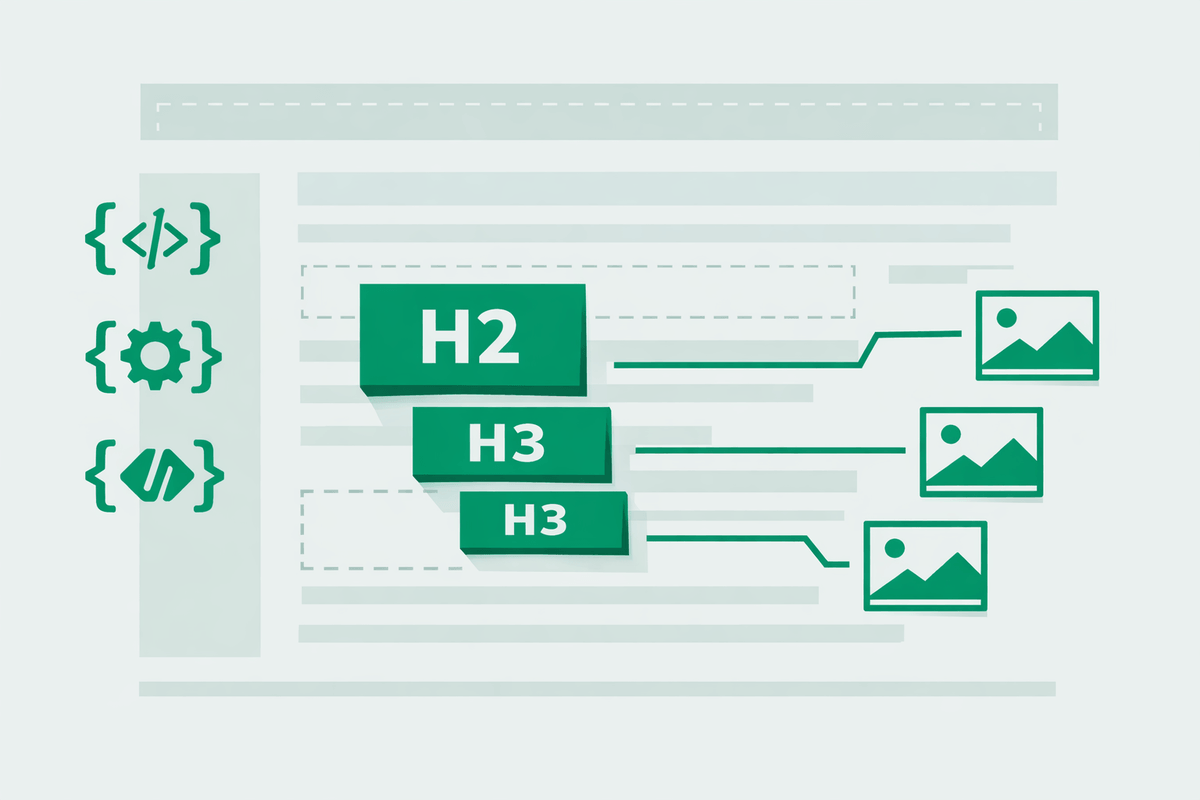
Technical accessibility determines whether AI systems can retrieve and interpret your content. Prioritize crawlability (no accidental robots.txt blocks), semantic HTML (clean H2/H3 hierarchy), and structured data (JSON-LD) so SearchGPT and Google systems can extract entities and Q&A reliably. Ziptie reports that JSON-LD structured data can increase AI selection by 73% (2026): https://ziptie.dev/blog/how-to-get-cited-by-ai/.
| Content type | Schema to use | Primary signal |
|---|---|---|
| Blog post | Article schema | Authorship + dates |
| Q&A block | FAQPage schema | Extractable Q&A pairs |
| Instructions | HowTo schema | Step structure |
| Company info | Organization schema | Entity identity |
FAQPage JSON-LD example (minimal):
{
  "@context": "https://schema.org",
  "@type": "FAQPage",
  "mainEntity": [{
    "@type": "Question",
    "name": "How long does it take to earn ChatGPT citations?",
    "acceptedAnswer": {
      "@type": "Answer",
      "text": "Most sites see early movement in weeks, but durable citations usually require multiple updates and third-party mentions over 2–3 months."
    }
  }]
}
Multimodal signals: add one hero image and one image per major H2 with descriptive alt text that includes entities (for example: “ChatGPT citation workflow,” “FAQPage schema”). Also reference at least one relevant YouTube demo or webinar when available—YouTube is heavily cited in Google’s AI ecosystem (Surfer AI Tracker, Aug 2025). Finally, keep Core Web Vitals strong; fast pages (low FCP (First Contentful Paint)) correlate with higher citation frequency (SE Ranking, 2025).
How ChatGPT Optimization Differs from Perplexity, Claude, Gemini, and Google AI
One good GEO page can serve every platform, but each engine has “quirks” in retrieval and citation behavior. ChatGPT is selective and rewards front-loading. Perplexity is freshness-driven and cites aggressively. Claude relies heavily on Brave Search. Gemini and Google AI systems reward E‑E‑A‑T and multimodal completeness.
| Platform | What it rewards most | Preferred sources | Formatting that wins |
|---|---|---|---|
| ChatGPT | Front-loaded, extractable answers | Wikipedia + trusted .com domains | Answer capsules, short paragraphs |
| Perplexity | Freshness + dated stats | Recent reports + community sources | Timestamped facts, modular chunks |
| Claude | Source diversity + nuance | Brave Search results | Balanced citations, clear headings |
| Gemini | E‑E‑A‑T + multimodal completeness | Official docs + YouTube | Images, schema, strong entity definitions |
| Google AI Overviews | Semantic completeness | YouTube + authoritative domains | Fan-out coverage, tables, definitions |
| Google AI Mode | Entity density + encyclopedic style | Wikipedia + UGC platforms | Inline definitions, systematic structure |
Practical takeaway: write once for semantic completeness (clear definitions, evidence, and modular sections), then tune per platform. For deeper platform playbooks, see Perplexity SEO optimization insights, Claude AI optimization techniques, how to get cited by Gemini AI, and appearing in Google AI Mode results.
How to Implement, Measure, and Troubleshoot ChatGPT Citation Growth
Citation growth is measured through prompt testing, mention tracking, and page-level change logs—not just rankings. AI citation sets are volatile, so the goal is repeatable “prompt wins” across multiple sub-queries, plus steady increases in brand mentions and assisted conversions.
| What to track | Tool | Frequency | Problem signal |
|---|---|---|---|
| Citations / mentions by prompt | Manual prompts + Oltre AI | Monthly | Competitors cited; you absent |
| AI referral sessions | Google Analytics (GA4) | Weekly | Traffic spikes without mentions |
| Indexation + crawl errors | Google Search Console | Monthly | Pages not indexed / blocked |
| Bing visibility proxy | Bing Webmaster Tools | Monthly | Query impressions drop |
| Freshness cadence | Change log (CMS) | Quarterly | Undated stats, stale examples |
Prioritized rollout (publish → validate → monitor → refresh)
- Publish: add an answer capsule to your top 5 pages, then build 6–8 fan-out H2s.
- Validate: add 3–5 dated stats per 1,000 words (TrackMyBusiness, 2026): https://trackmybusiness.ai/blog/how-to-get-cited-by-chatgpt-a-practical-guide-for-2026/.
- Monitor: run the same 10 prompts monthly and log citations.
- Refresh: update dates, add new sources, and expand weak sub-intents quarterly.
Troubleshooting patterns (diagnosis → fix)
- “Page ranks but isn’t cited.” Add an answer capsule, tighten sections to one intent, and increase entity definitions (ChatGPT, Bing, schema types).
- “Cited on Perplexity but not ChatGPT.” Move the strongest paragraph into the first 30% and remove links near the core answer.
- “Cited once, then disappeared.” Add freshness signals and expand fan-out coverage; citation sets rotate frequently (Ahrefs, 2025–2026 volatility reporting).
- “Great content, low trust.” Build third-party validation: reviews (G2), community mentions (Reddit), and author credentials (LinkedIn).
This is the “compound effect” in practice: each new cited page increases brand familiarity, earned mentions, and retrieval confidence—making the next citation easier. If you want a deeper measurement framework, use our AI citation tracking methods.
FAQs
How long does it take to get cited by ChatGPT?
Most sites can see early citation movement in 2–6 weeks, but consistent citations usually take 2–3 months. The limiting factor is rarely publishing speed—it’s building enough third-party validation (reviews, mentions, author credibility) and keeping pages updated so retrieval systems trust the content.
Do I need to rank #1 on Google to be cited by ChatGPT?
No. ChatGPT often pulls from web retrieval systems and may cite pages that are not top-ranked in Google. Practical performance is closer to “rank well enough to be retrieved,” then win on extractability: answer capsules, clear headings, and evidence-rich paragraphs that can be quoted safely.
How many statistics should I include to improve citation chances?
A good baseline is 3–5 unique, well-sourced statistics per 1,000 words (TrackMyBusiness, 2026). Each statistic should include a date and a clear source name. Undated numbers are easier for AI systems to deprioritize in favor of newer, better-attributed competing pages.
What’s the most common reason ChatGPT ignores a high-quality page?
The most common failure is burying the answer in a long introduction. ChatGPT citations skew heavily toward early-page content, so the first 150 words must contain a direct, quotable answer. The second most common issue is weak authority signals, especially limited third-party mentions.
Is schema markup required for ChatGPT citations?
Schema is not strictly required, but it improves machine readability and reduces ambiguity. FAQPage and Article schema help systems identify questions, answers, authorship, and update dates. If two pages are similarly good, the one with clearer structured signals is more likely to be selected and cited.
Further reading from Oltre.ai: geo-targeting versus SEO strategies and generative engine optimization strategies.