

GEO vs SEO: Key Differences and Why You Need Both
By Damiano Mastrangioli, Co-Founder of Oltre.ai | Published December 2025
Last updated: March 2026
SEO (Search Engine Optimization) helps your pages rank in traditional search results like Google and Bing. GEO (Generative Engine Optimization) helps your content get selected, quoted, and cited inside AI-generated answers from ChatGPT, Perplexity, Gemini, and Google AI Overviews. In 2026, brands need both because discovery is split between links and synthesized answers.
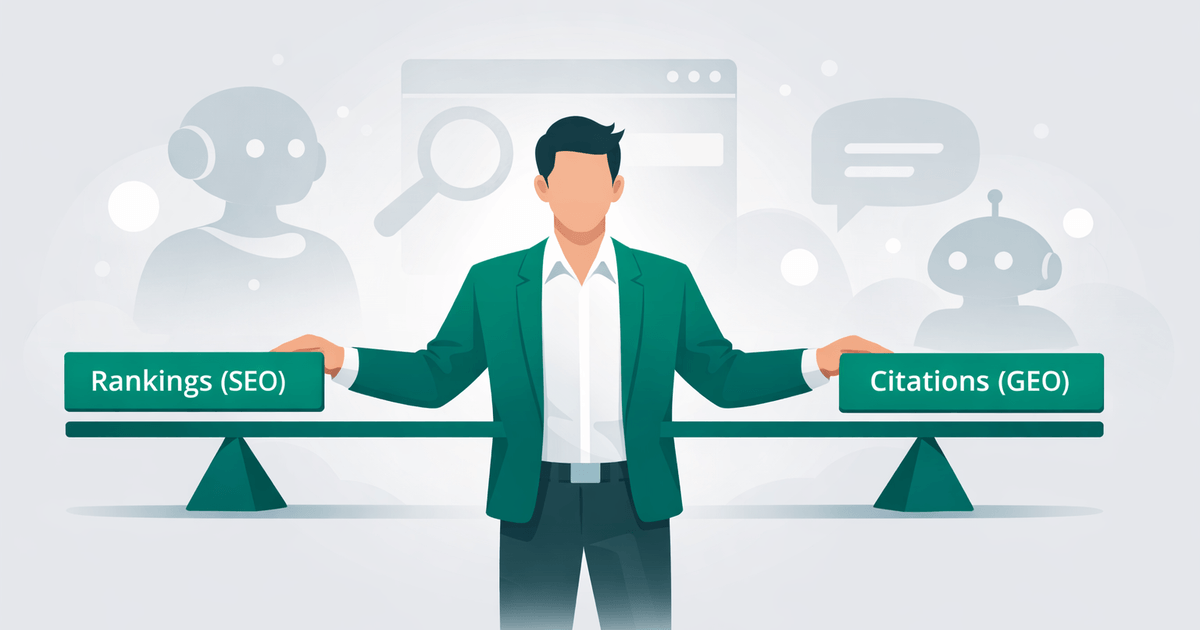
GEO vs SEO: What’s the Difference?
SEO earns rankings in a Search Engine Results Page (SERP) (the list of links users choose from). GEO earns citations inside AI answers, where users may never click through. That shift matters because AI engines often cite only a handful of sources—after the October 2025 update, ChatGPT responses typically include 3–4 brand mentions per answer (Profound, June 2025; https://www.profound.com), making every citation slot more competitive.

| Decision | SEO | GEO |
|---|---|---|
| Primary goal | Rank for queries | Be cited in answers |
| Surface | Google/Bing SERPs | ChatGPT/Perplexity/Gemini/AIO |
| Primary KPI | Clicks & sessions | Mentions & citations |
| Best content unit | Comprehensive page | Extractable section |
AI discovery is also fragmented by platform. Only 11% of domains cited by ChatGPT overlap with Perplexity (Profound, 2025; https://www.profound.com), so “ranking well” does not guarantee “getting cited.” As Arc Intermedia puts it, “GEO is about making your content the kind of material that AI wants to draw from… a paradigm shift.”
What Is SEO?
Search Engine Optimization (SEO) is the practice of optimizing your website and content to rank higher in search engine results pages (SERPs) on platforms like Google Search and Bing. SEO primarily optimizes for discovery—helping search engines find, understand, and rank pages so users can click through.
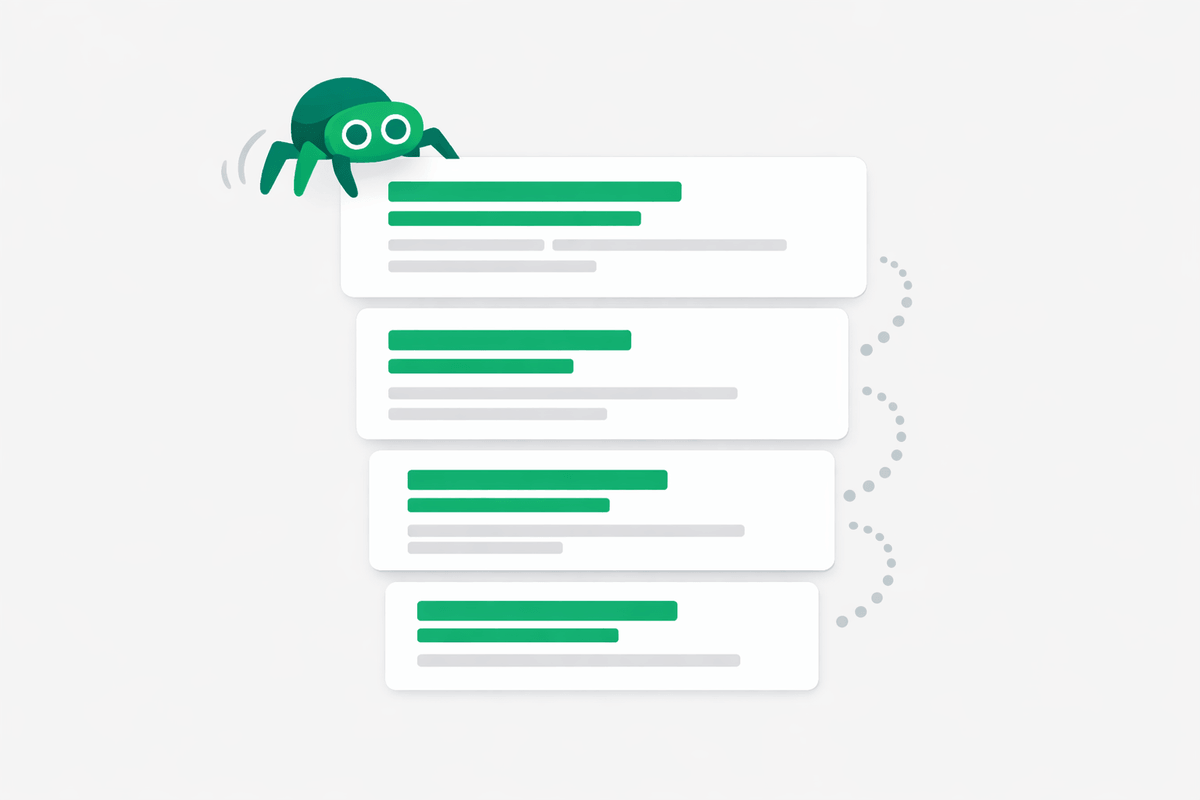
How SEO Works
Traditional search engines follow a straightforward process: they crawl and index your website, evaluate hundreds of signals (keywords, backlinks, site speed, mobile-friendliness), rank pages based on relevance and authority, and display a list of links for users to choose from. Success is measured by rankings, organic traffic, and conversions. In 2026, SEO still influences AI visibility because many AI systems retrieve from Google or Bing-derived indices.
Key SEO Elements
- Keyword optimization: targeting terms your audience searches for
- On-page elements: titles, headers, meta descriptions
- Technical performance: speed, mobile experience, crawlability (including Core Web Vitals, Google’s page experience metrics)
- Backlink profile: links from other authoritative sites
- Content quality: relevance, depth, freshness
- User experience signals: engagement, time on page
Practical takeaway: SEO remains the baseline channel for predictable, measurable traffic—even as more research starts inside AI tools.
What Is GEO?
Generative Engine Optimization (GEO) (optimizing for AI-generated answers) is the practice of shaping your content and online presence so platforms like ChatGPT, Perplexity, Gemini, and Google AI Mode can retrieve it, understand it, and confidently cite it. GEO optimizes for AI comprehension, extraction, and citation—not only clicks.
GEO became essential as AI answers became a default interface for research. For example, YouTube is the #1 cited domain in Google’s AI ecosystem at 23.3% of citations (Surfer AI Tracker, Aug 2025; https://www.surferai.com), which is why multimodal signals—like referencing official demos—can help. Oltre AI frames the practical problem as the AI Citation Gap: brands can rank on Google and still be invisible inside AI answers.
If SEO is about securing the best shelf space in the vast library of the internet, GEO is about having your content selected and read aloud by the librarian, who is now an AI, to an audience seeking immediate and comprehensive answers.
How GEO Works
AI systems retrieve information from multiple sources, evaluate content for accuracy, clarity, and authority, synthesize information into a direct answer, and may or may not cite sources. Success is measured by citations, mentions, and inclusion in responses.
Key GEO Elements
- Answer-focused content structure: clear, extractable summaries
- Statistical evidence and citations: dated data AI can reference (especially for Perplexity)
- E-E-A-T signals: Experience, Expertise, Authoritativeness, Trustworthiness
- Schema markup: structured data from Schema.org (the standard vocabulary for web structured data)
- Third-party presence: mentions across trusted platforms
- Content freshness: recent, up-to-date information
For deeper tactics, see generative engine optimization for AI search platforms.
GEO vs SEO: Side-by-Side Differences by Goal, Tactics, and Metrics
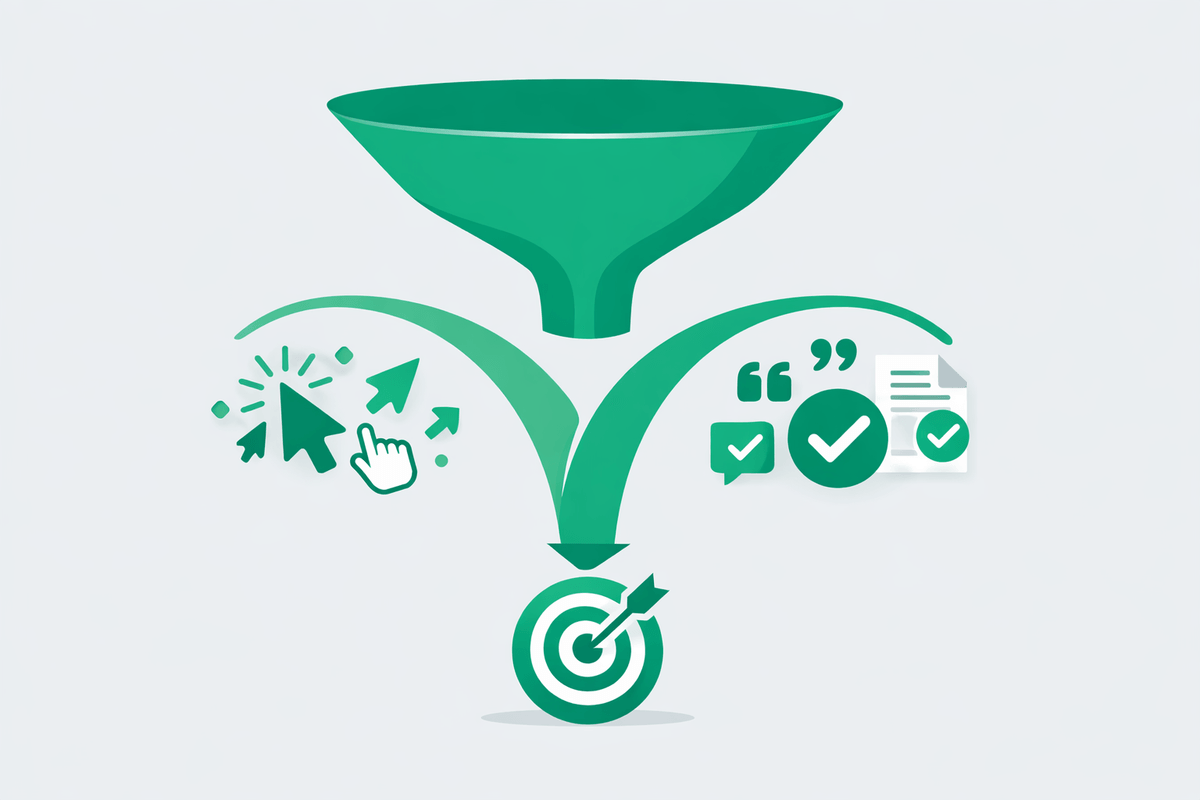
GEO changes what “visibility” means. SEO visibility is being found as a link; GEO visibility is being selected as a source inside an answer. That matters in zero-click behavior: “With most queries ending in zero clicks and AI-generated responses dominating the top of results, businesses that ignore GEO risk are becoming invisible…” (Lasso, 2026; https://lasso-up.com/what-is-seo-vs-aeo-vs-geo-and-which-matters-most-in-2026/).
| Attribute | SEO | GEO |
|---|---|---|
| Primary goal | Rank high | Be cited/quoted |
| Main surface | Google Search, Bing | ChatGPT, Perplexity, Gemini, AIO |
| User behavior | Clicks to site | Often no click |
| Content unit | Full page relevance | Extractable sections |
| Authority signal | Backlinks | Mentions + E-E-A-T |
| Freshness weight | Medium-high | High (esp. Perplexity) |
| Schema dependence | Helpful | Often critical |
| Core KPIs | Rankings, sessions | Citations, share of voice |
| Time horizon | Weeks–months | Days–weeks (volatile) |
| Typical output | Clicks & leads | Mentions & assisted demand |
Two platform realities make GEO non-optional. First, Google AI Overviews cite beyond classic rankings: only 17–38% of AIO citations come from top-10 organic results (Ahrefs/BrightEdge, Feb 2026; https://www.ahrefs.com). Second, multimodal signals matter: multimodal pages see 156% higher selection rates (AI Mode Boost, 2025; https://www.aimodeboost.com).
| Platform | What it tends to reward | Practical implication |
|---|---|---|
| Google Search | Relevance + links | SEO fundamentals win |
| ChatGPT | Authority + Bing alignment | Earn citations; validate entities |
| Perplexity | Fresh sources + citations | Update often; date stats |
| Gemini | E-E-A-T + Google index | Schema + trusted sources |
| Google AI Overview | Semantic completeness | Cover fan-out sub-queries |
Measurement also diverges. SEO dashboards center on impressions, clicks, and conversions. GEO dashboards add brand mentions, citation frequency, and assisted conversions—see AI-driven citation tracking methods for a practical measurement model.
Why Brands Need Both SEO and GEO
Some users prefer traditional search. Others default to AI tools. Many use both, starting research in ChatGPT, then verifying on Google. Optimizing for only one channel means missing part of your audience.
Many AI systems draw from sources that already rank well in traditional search. Google AI Overviews explicitly pull from top search results. Strong SEO gives you a head start in GEO.
Relying on a single traffic source is risky. AI search is growing rapidly, and having both channels covered protects against volatility.
Content optimized for both channels reinforces itself. Citations in AI responses can drive branded searches. High rankings in Google contribute to AI visibility. The two strategies amplify each other.
Google AI Overviews represent the merger of traditional and generative search. Users increasingly see AI-generated summaries alongside organic results. Optimizing for one inherently requires optimizing for both.
Mini decision framework (2026): if a site still struggles with crawlability, SEO first; if a site ranks but is not mentioned in AI answers, GEO next. Examples: (1) B2B SaaS pages ranking 11–30 can add answer capsules and schema to win ChatGPT mentions; (2) e-commerce category pages can add comparison tables to appear in shopping assistants; (3) local/service businesses can build entity clarity (name, location, services) for Gemini and Google AI Overview. For vertical playbooks, see geo-targeting strategies for B2B marketing and geo-targeting techniques for ecommerce businesses.
How to Integrate GEO and SEO Into One Content Strategy
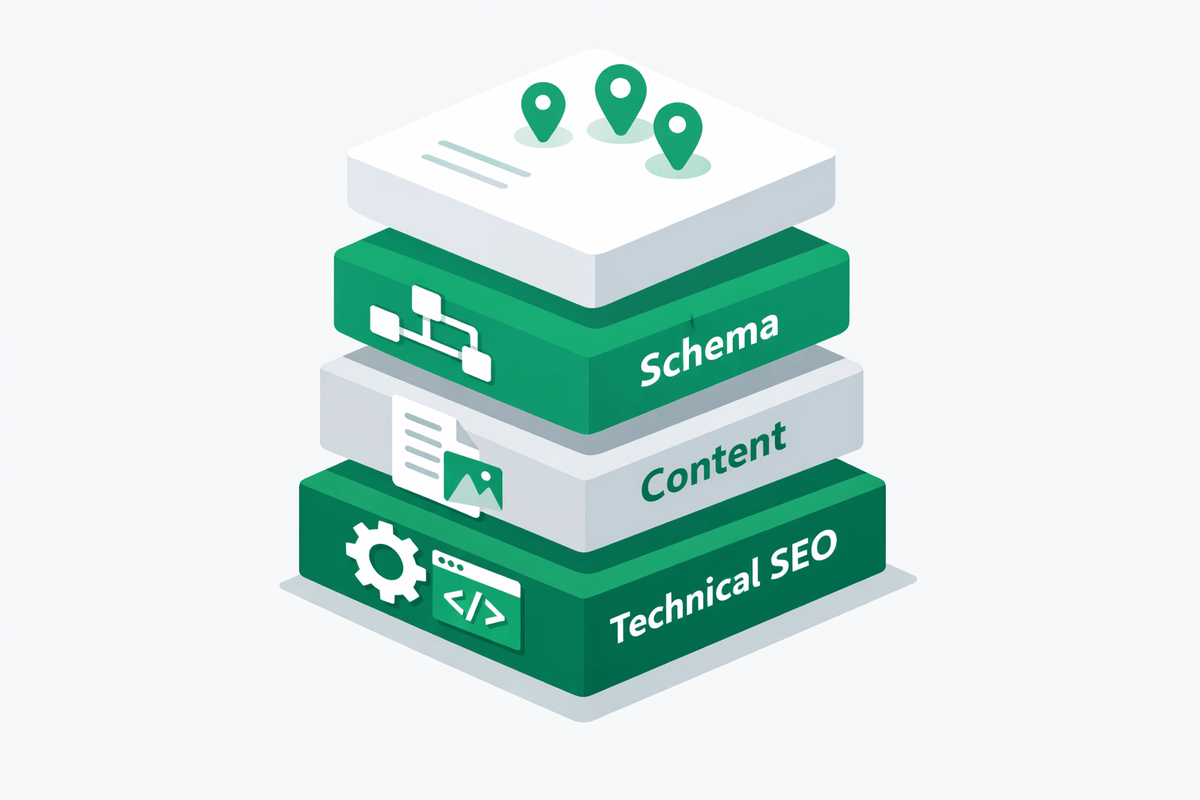
GEO works best when built on a solid SEO foundation. If your site has technical issues, thin content, or poor authority, fix those first. SEO-first workflows ensure pages are crawlable, indexable, and competitive in Google Search and Bing before optimizing for extraction and citation.
Start with SEO Fundamentals
Start with basics like information architecture, internal linking, and performance. Use Google Search Console (Google’s search performance tool) and Bing Webmaster Tools to confirm indexing and diagnose coverage issues.
Layer GEO Optimizations
Once SEO basics are solid, add GEO-specific elements:
- Add answer capsules to existing content
- Include more statistics and citations (with dates)
- Implement FAQPage schema (structured data for Q&A blocks) and validate it in a Schema.org-compatible validator
- Structure content for AI parsing with clear H2s, short paragraphs, and tables
Platform nuance helps: ChatGPT is often aligned with Bing results (Seer Interactive; https://www.seerinteractive.com), while Perplexity rewards freshness and clear sourcing. For tactical deep dives, use strategies to improve citation by ChatGPT, SEO tactics optimized for Perplexity AI search, techniques to appear in Google AI search results, and optimizing content for Claude AI search engine.
Create Content That Works for Both
- Target keywords AND answer common questions
- Optimize for rankings AND citations
- Include comprehensive coverage AND extractable summaries
- Build backlinks AND third-party mentions
Track Both Metrics
Track rankings, traffic, and conversions alongside GEO outputs like citations, brand mentions, AI referral traffic, and assisted conversions. A practical approach is a monthly “visibility report” plus a quarterly refresh cycle for top pages.
How to Upgrade Existing SEO Content for GEO
The fastest GEO gains usually come from upgrading pages that already rank between positions 11–100 in Google Search, because those URLs have some authority but are not yet “default citations” for AI engines. Use Google Search Console to find near-winner queries, then retrofit the page for extraction and citation in ChatGPT, Perplexity, and Google AI Overview.
- Select candidate URLs: prioritize pages with impressions, stable indexing, and clear intent.
- Add answer capsules + fan-out H2s: create question-based sections that match sub-queries AI engines generate.
- Clarify entities + add schema: define key terms inline and implement Article, FAQPage, or HowTo where relevant.
- Insert tables, quotes, and dated stats: make claims easy to cite and verify.
- Measure and iterate: monitor citations, brand mentions, AI referral traffic, and assisted conversions in GA4.
| Step | Owner | Output |
|---|---|---|
| Pick URLs (11–100) | SEO lead | Prioritized list |
| Rewrite sections | Content | Answer capsules + H2s |
| Add schema | Developer | Validated markup |
| Add proof | Content + PMM | Tables + quotes + stats |
| Report results | Analytics | Looker Studio dashboard |
Troubleshooting checklist: thin sections (add a direct answer), outdated data (add dates), unclear entities (define terms like SERP, FAQPage, Schema.org), missing schema (validate markup). For multimodal authority, reference an official product demo or YouTube walkthrough where relevant—YouTube is heavily cited in Google’s AI ecosystem (Surfer AI Tracker, Aug 2025; https://www.surferai.com).
Future-proofing is ongoing: Google AI Overview citations rotate heavily and the top-10 overlap has dropped to 17–38% (Ahrefs/BrightEdge, Feb 2026; https://www.ahrefs.com). Treat GEO as a continuous update discipline, not a one-time project—especially for Perplexity, where recency dominates retrieval.
FAQ: GEO vs SEO
Implementation note for developers: mark up the following Q&A block with valid FAQPage schema (Schema.org) to support extraction in AI answers and Google AI Overviews.
Does GEO replace SEO in 2026?
No—GEO extends SEO rather than replacing it. SEO still drives crawlability, indexing, and predictable demand capture in Google Search and Bing. GEO adds a second layer: being selected and cited inside AI-generated answers where users may not click through to any website.
How much does GEO cost compared to SEO?
GEO usually costs less than starting SEO from scratch because it reuses existing assets. The incremental work is restructuring content for extraction (answer capsules, clearer H2s), adding Schema.org markup, and keeping statistics current. The biggest cost driver is ongoing updates to stay competitive in AI retrieval.
How long does it take to see GEO results?
Most teams see early GEO movement in 2–6 weeks when they upgrade already-indexed pages with clear answers, citations, and schema. New pages can take longer because they still need baseline authority. Perplexity tends to react faster to fresh updates than traditional SEO rankings.
Which AI platforms should a brand prioritize for GEO?
Prioritize the platforms your buyers use most, then optimize for their retrieval behavior. ChatGPT is highly selective with citations and often aligns with Bing results (Seer Interactive). Perplexity rewards freshness and explicit sources. Gemini and Google AI Overview reward E‑E‑A‑T, schema, and semantic completeness.
What schema markup helps most for GEO?
Start with Article schema for core pages, then add FAQPage schema for Q&A blocks and HowTo schema for step-by-step tutorials. Schema does not guarantee citations, but it improves machine readability and extraction. Validate markup in a Schema.org-compatible validator and keep entities consistent across the page.
How do you measure GEO success?
Measure GEO with citation frequency, brand mentions, and AI referral traffic, then tie those signals to assisted conversions in GA4. ChatGPT answers typically include only 3–4 brand mentions per response after the October 2025 update (Profound, June 2025), so even small citation gains can materially change share of voice.